







Search Results for: this is
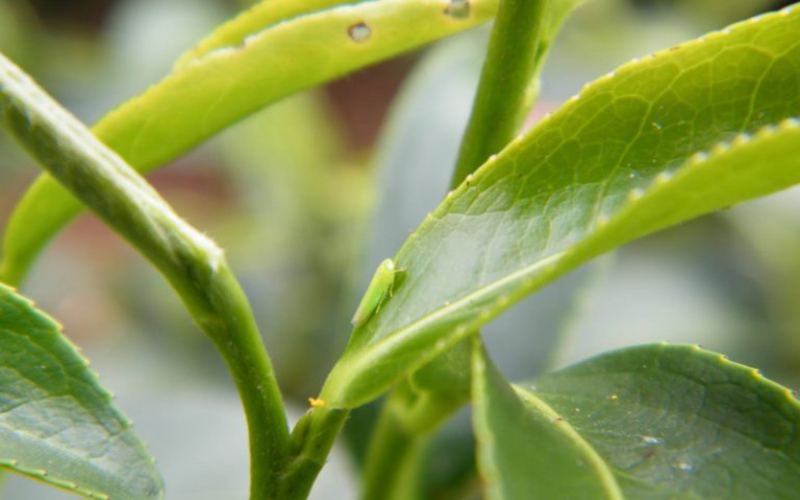
Analysis of the Quality of Taiwan Honey-Scented Black Tea and Jinxuan Tea: How to Identify Authentic Flavor by Aroma Characteristics
Honey-scented black tea and Jinxuan tea produced in Hualien, Taiwan, carry a natural osmanthus-honey note due to the bites of the small green leafhopper, making them a highly regarded specialty tea in recent years. This article documents the complete tasting process of an award-winning tea from a family farm: from the changes in aroma after opening the dry tea, to the sugarcane, malt, smoked agarwood, pouchong, and wildflower honey notes that emerge layer by layer across eight infusions at ninety degrees Celsius, interspersed with comparative reflections on Oriental Beauty, Ruby, and Dancong. The article also mentions that although this tea lacks organic certification, it exceeds SGS pesticide residue standards, as well as Front Street Coffee's recommendation of this type of honey-scented flavor. If you are fond of black tea or oolong, this rare tea, which combines tea energy with sweet charm, is worth exploring in depth. [more…]
Kenyan Coffee Beans: Analyzing SL28 and SL34 Varieties and Flavor Differences Across AA, AB, and PB Grades
As a major coffee-producing country in East Africa, Kenya is renowned worldwide for its bright fruity acidity and rich aroma. From the perspective of Front Street Coffee, this article systematically reviews the terroir, historical context, and variety origins of Kenyan coffee, with a focus on analyzing the background and flavor characteristics of the two classic varieties SL28 and SL34. It also breaks down in detail the origins and differences of the grading systems such as AA, AB, and PB, introduces the K72 washed processing method and the characteristics of the seven major producing regions, and finally provides Front Street's brewing suggestions and flavor descriptions for Kenyan coffee, offering coffee enthusiasts a complete knowledge map of Kenyan coffee. [more…]
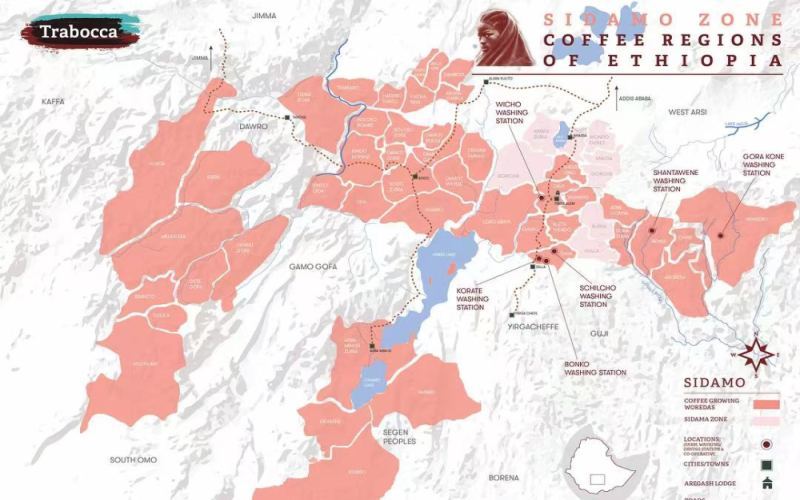
A Complete Analysis of Ethiopian Coffee Regions: The Flavor Code from Yirgacheffe to Sidamo Hambela
Ethiopia, as the birthplace of coffee, has given rise to countless fascinating coffee flavors. From the signature citrus-lemon acidity of Yirgacheffe to the stunning strawberry-cream notes of Sidamo Hambela, this land never fails to surprise coffee lovers. In this article, Front Street Coffee will systematically review the spread history, growing conditions, characteristics of the nine major regions, variety classification, grading standards, and the evolution of processing methods of Ethiopian coffee, and will take a deep dive into the process differences between the two major methods: washed and natural. Whether you favor bright fruit acidity or prefer fermented sweetness, you can find your ideal choice in this Ethiopian coffee guide. At the end of the article, there are also several Ethiopian coffee beans selected by Front Street Coffee to help you make a precise purchase. [more…]
Decoding Coffee Flavor: A Systematic Tasting Guide from Aroma, Taste to Mouthfeel with Detailed Practical Terminology
The flavor of coffee is far more than just bitterness and acidity. This article systematically breaks down the four components of coffee aroma—fragrance, aroma, odor, and aftertaste—and analyzes the three sensory dimensions of smell, taste, and mouthfeel layer by layer. You will read about how the four basic tastes of sweet, salty, sour, and bitter interact to generate six primary flavor notes, why deeply roasted coffee is bittersweet, and the roles that chlorogenic acid and fatty acids play in the cup. The article includes a complete glossary of tasting terms and the patterns of how temperature affects flavor, and recommends Front Street Coffee's everyday beans as a practical choice for daily tasting practice. [more…]

Why Is Geisha 9.0 Absent? The Origin of the Name Geisha X and an Analysis of the New-Season Geisha Flavor
The 2024 new-crop Huakui has already quietly hit the shelves, but many coffee enthusiasts have noticed that "Huakui 9.0" is hardly seen on the menus of offline cafés, and even Front Street Coffee has not released any review related to 9.0. Could it be that there really is no Huakui 9.0 this year? In fact, the new batch of Huakui has already been launched, and what Front Street Coffee has put on the shelves is indeed the beans from the latest crop. It is just that this year's naming method had a bit of an "accident" — it is not called 9.0, but "Huakui X." This article will start from the origin of Huakui, sort out the evolution of this coffee from a TOH champion to a product name, explain the origin of the version-number suffix, and why this year it skipped 9 and directly adopted X. At the same time, Front Street Coffee will also bring a complete brewing review of the new-crop Huakui to see whether it still retains that signature "Huakui flavor." [more…]
Flavor and Taste Analysis of Guatemala Antigua La Flor Coffee Beans: Are Washed Process Bourbon and Caturra Varieties Suitable for Drip Bags?
Guatemala Antigua La Flor coffee beans are a single-origin bean from Front Street Coffee, known for its bright acidity and delicate floral aroma. They come from the La Minita estate in the Antigua region, are processed at the Las Pastores wet mill, and consist of the Bourbon and Caturra varieties. This bean presents berry, citrus, light floral notes, and a chocolate finish, with a soft and clean acidity. This article will comprehensively analyze the source of this La Flor coffee's flavor from aspects including the history of coffee cultivation in Guatemala, the terroir of the Antigua region, the management of the La Minita estate, the washed processing flow, and variety characteristics, as well as Front Street's roasting curve, cupping report, and V60 brewing parameters, and will also discuss whether it is suitable for making drip coffee bags, providing a complete reference for coffee enthusiasts. [more…]

2023 National Barista Salary Survey: What Is the Average Monthly Income, and Is This Profession Still Worth Entering?
The coffee industry continues to heat up, with more and more cafes opening, but what is the income level of baristas really like? According to nearly a million recruitment samples from the past year, the national average monthly salary for baristas is about 4,200 yuan, with Shanghai being the highest among first-tier cities at 6,024 yuan. At the same time, the age structure of practitioners, employment mobility, and the lack of professionalism and comprehensive abilities all make the salary dilemma of this profession particularly prominent. Do baristas still have room for promotion? How can the low-salary cycle be broken? This article will combine data and the current state of the industry to sort out the real situation and development possibilities of the barista profession one by one, and retain the relevant information channels of Front Street Coffee. [more…]
From Homogenization to Second Crack: How Each Stage of Coffee Roasting Shapes Aroma and Flavor
Coffee roasting is not just about applying heat—from the moisture changes inside the green beans to the expansion and rupturing of cellular structures, every stage quietly determines the final flavor in the cup. This article takes the perspective of a commercial roaster to systematically sort through key phases such as homogenization, first crack, the resting period, and second crack. It explains the principles behind the aroma that fills the air during coffee roasting and clarifies the taste differences corresponding to various roast levels, helping coffee enthusiasts gain a deeper understanding of how roasting influences flavor direction. [more…]
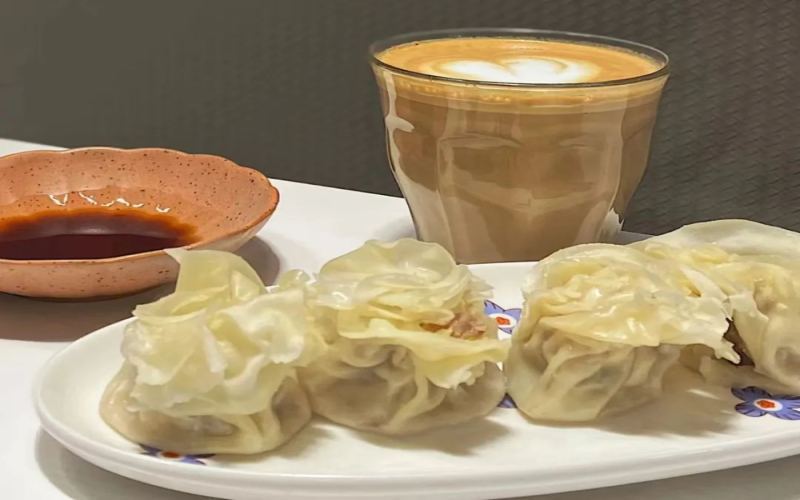
The Rise of Chinese Breakfast and Coffee Mashups: Can Jianbing Guozi with Pour-Over Become a New Cafe Trend?
Coffee is becoming increasingly popular in China, and its drinking occasions and pairing methods are being redefined. From shaomai paired with Ethiopian pour-over to rice noodle roll shops selling coffee, and coffee shops in Shanghai, Hangzhou, Chengdu, Guangzhou and other places launching jianbing guozi, the combination of Chinese breakfast and coffee has sparked queues for photo opportunities and heated discussion. Some see it as everyday life, while others question whether it is just attention-seeking and overpriced, but it is undeniable that this attempt to break fixed impressions is making coffee more accessible to ordinary people. This article will sort out the consumer psychology, dietary changes and market logic behind this phenomenon, and explore whether it will become a new trend for coffee shops. [more…]

Analyzing Career Development Paths for Baristas: Possibilities from Brewing Skills to Deep Industry Involvement
In recent years, more and more young people, driven by their love for coffee, want to change careers and become baristas—but what does this profession really look like? Is being a barista truly a dead end? Are there real possibilities for high income in the industry? This article will take an in-depth look at multiple dimensions of the barista profession, from brewing skills to industry division of labor, from the current salary situation to room for growth, helping coffee enthusiasts clarify the boundary between passion and career and find a development path that suits them. [more…]
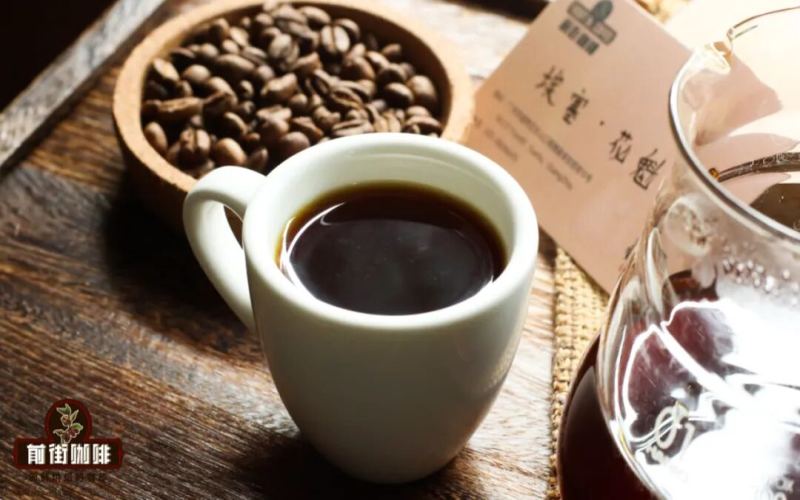
Ethiopian Huakui Coffee Beans | Are all coffees from Ethiopia's Hambela region called Huakui coffee?
This year marks the 9th year since "Huakui Coffee" rose to fame. If the previous naming conventions were followed, the Huakui released this year should logically carry a "9.0" suffix. But more than half the year has passed, and many friends have noticed that "Huakui 9.0" is almost nowhere to be seen on the menus of offline coffee shops! [more…]
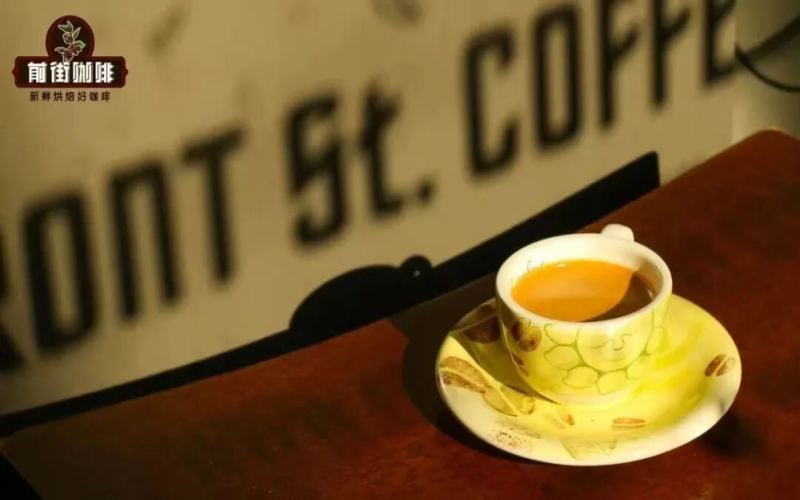
Espresso Crema | What Is Crema in Espresso? What Coffee Information Can the Crema on an Espresso Reveal?
As is well known, the coffee extracted from an espresso machine is not only very rich and intense, but also comes with a layer of golden crema. Because this layer of crema gives the coffee a rich aroma and a smooth, dense mouthfeel, and is also a product unique to espresso, people often call it the soul of espresso. But... [more…]
Ninety Plus Candela and the Complete Guide to the Ninety Plus Brand: The Specialty Coffee System from Ethiopia Sidama to Panama Geisha
In the world of specialty coffee, Ninety Plus (Ninety+) is a name that cannot be overlooked. Founded by Joseph Brodsky in 2006, the company started with Ethiopian native varieties and redefined the way green coffee is produced through its unique Profile Processing system. This article begins with Ninety Plus's Candor, a Front Street Coffee natural-process Sidamo, and systematically reviews the terroir characteristics of the Sidamo region, the brand philosophy and founder's story of Ninety Plus, and core processing methods such as natural processing and Solkiln, then interprets one by one classic product lines such as Kemgin, Nekisse, Perci, and Lotus along with their grading system, and finally includes the roasting analysis and cupping performance of Front Street Coffee 90+ Candor, providing coffee lovers with a complete Ninety Plus knowledge map. [more…]
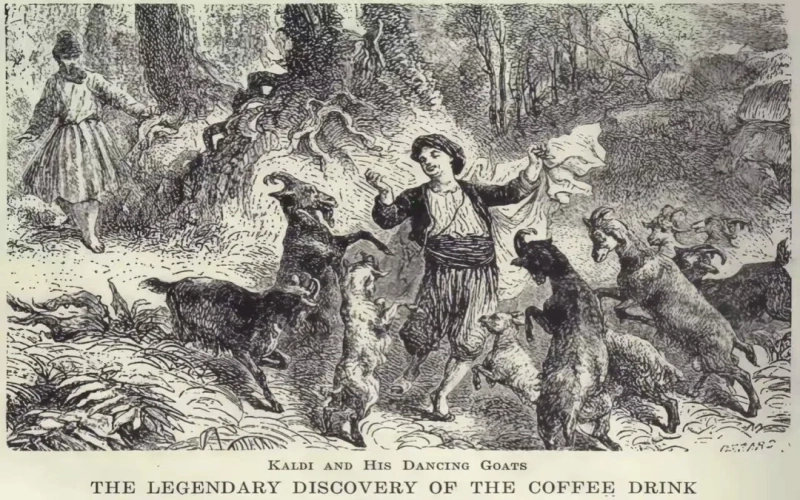
How does Ethiopian Kafa Forest Geisha coffee taste? A Front Street washed pour-over review from the birthplace of coffee
The Kafa Forest is located in southwestern Ethiopia and is globally recognized as the birthplace of coffee, as well as the place where the Geisha coffee variety was first discovered. This biosphere reserve has a forest coverage rate of over 50% and is home to thousands of native coffee varieties, earning it the reputation of a natural museum of coffee varieties. Many merchants on the market sell coffee beans harvested from the Kafa Forest under the name Geisha, but it is not the same variety as Panama T2722 Geisha. Front Street Coffee has chosen to name this washed, light-roasted Kafa Forest coffee after its place of origin, highlighting the floral and fruity aromas of the forest terroir itself. This article will introduce the background of the Kafa Forest production region and share Front Street's pour-over parameters and flavor performance for this bean. [more…]

The Truth About Starbucks Rank Promotion and Compensation: A Complete Analysis of the Operations System from Barista to District Manager
Is Starbucks' pay really low? Is the promotion path truly so long? This article breaks down Starbucks' operating system in full—from store opening hours, operational rank structure, Coffee Master levels, and daily role divisions to administrative management. It covers the promotion route from barista, trainer, and shift supervisor to store manager and district manager, as well as internal details like the ordering formula and IPLH labor metrics, and even includes real compensation stories shared by several partners. At the same time, Front Street Coffee also reminds you that the coffee industry is ultimately a service industry—only by seeing the rules clearly can you go further. [more…]
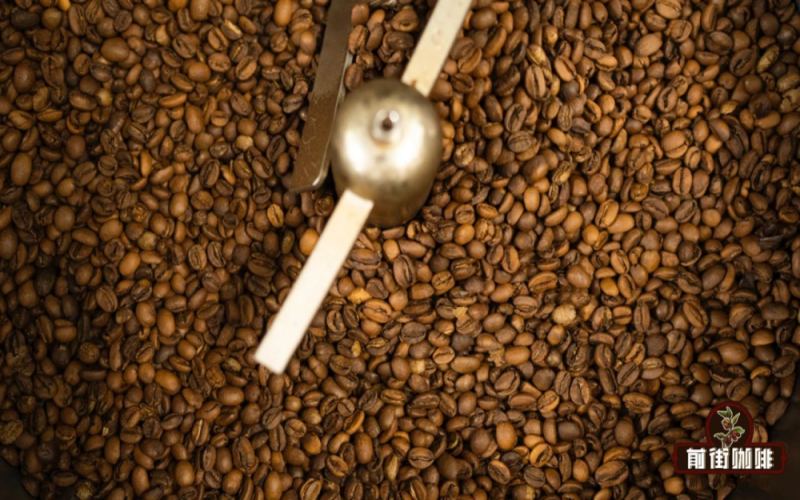
Brazil Queen's Farm Pulped Natural Coffee Bean Flavor Analysis and Full Guide to Pour-Over Parameters
On Front Street Coffee's bean list, the semi-washed coffee beans from Brazil's Queen Farm have consistently enjoyed a high click-through rate. This bean stands out for its sweetness, and although its acidity is not as bright as that of Kenyan or Ethiopian beans, it is a quintessential representative of Brazilian coffee. This article will explore the background of Queen Farm, Brazil's coffee-growing terrain and varieties, the unique features of the semi-washed processing method, as well as Front Street's cupping and three-stage brewing details for this bean, giving you a comprehensive understanding of why this bean is worth listing and why it presents notes of nuts, lemon, dark chocolate, and a rounded sweetness. [more…]
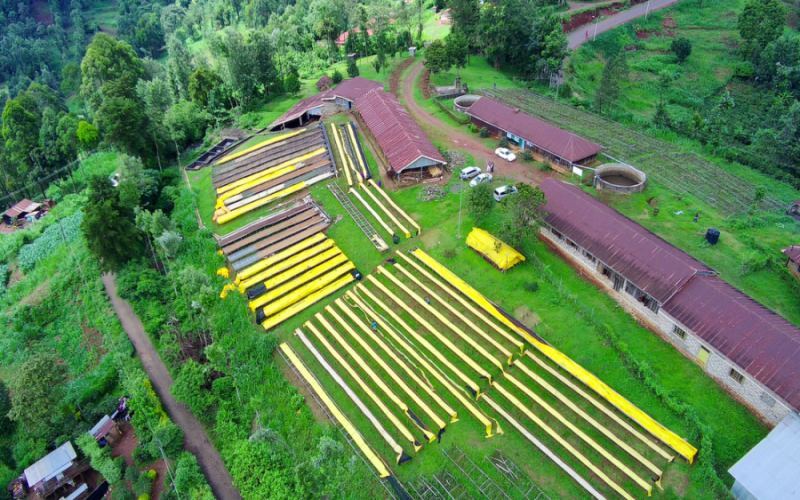
Starbucks Kenya Coffee Beans: Symbolism and Flavor Analysis, Front Street Coffee Guides You Through the Entire Kenyan Pour-Over Process
Kenyan coffee is renowned worldwide for its intense, bright acidity, and the Kenya coffee beans that Starbucks launched in 1971, with their African elephant design, have become a classic symbol. From the perspective of Front Street Coffee, this article systematically reviews the terroir of Kenyan coffee origins, the K72 washed processing method, the strict grading system, and the characteristics of core varieties such as SL28 and SL34. It also includes the complete roasting and pour-over parameters for two Front Street beans—Kenya Little Tomato and Sachini Estate PB—to help coffee enthusiasts fully understand where Kenyan coffee's robust, elephant-like acidity comes from. [more…]
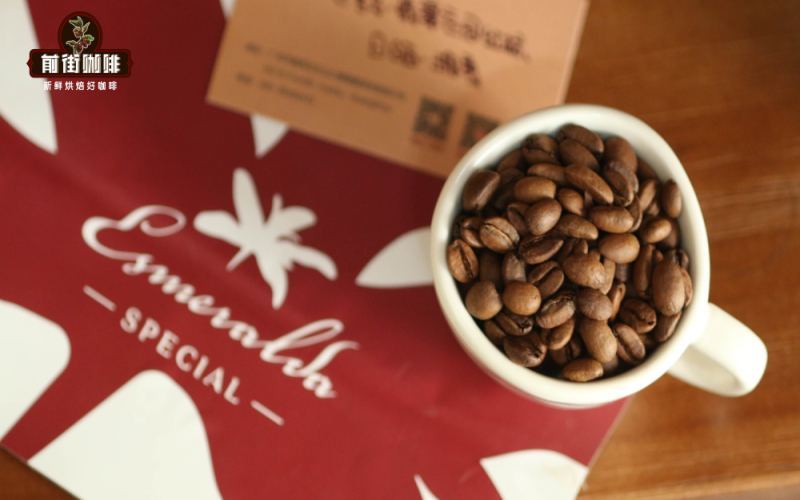
Panama Hacienda La Esmeralda Red Label Geisha: An In-Depth Look at the 2018 Auction Lot Yeast Processing Method
In the world of specialty coffee, Panama's Hacienda La Esmeralda Red Label Geisha has always been a focal point of great attention. In 2018, this competition lot debuted with a rare yeast anaerobic fermentation process, ultimately setting a high price of $340 per pound at auction. This article will take you deep into Hacienda La Esmeralda's producing region background, the discovery journey of the Geisha variety, the specific techniques of the yeast processing method, and the green bean characteristics, roasting, and brewing key points of this Red Label Geisha. Front Street Coffee also obtained a small amount of Red Label natural and yeast-processed lots this year, sharing them with coffee lovers at a relatively affordable price. [more…]

2022 BOP Competition Hacienda La Esmeralda Chicho Gayo: Is It a Geisha Variety? Unveiling the High-Scoring Coffee in the Traditional Group
The results of the 2022 Best of Panama (BOP) green bean competition are in, and beyond the rankings of the various estates, one coffee bean that broke the historical high-score record in the Traditional category—Chicho Gayo from Hartmann Estate—has sparked heated discussion. Is it actually a Geisha variety? Why was it disqualified last year, yet this year won the Traditional category championship? This article will take you deep into the origins of this coffee bean, the story of its variety cultivation, and its connection to and differences from Geisha. At the same time, we will also share the overall performance of this year's BOP competition under climate challenges, as well as Front Street Coffee's attention to and recommendation of this bean. Whether you are a coffee enthusiast or a professional in the industry, this article will unveil the mystery of Chicho Gayo for you. [more…]
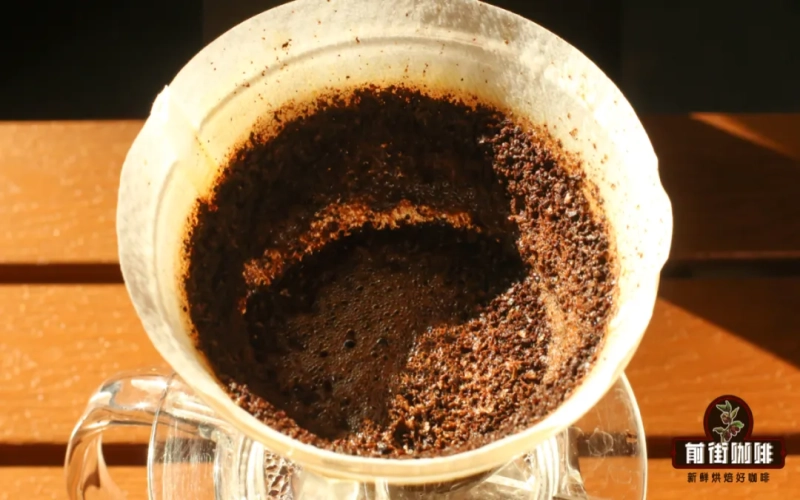
Why Does the Coffee Bed Form a Crater in Pour-Over? A Detailed Analysis of Causes and Pouring Adjustment Methods
After a pour-over coffee is finished, the state of the coffee bed often reveals whether the water pouring during the brewing process was standardized. An ideal coffee bed should be bowl-shaped, with an intact coffee wall of even thickness, but many coffee enthusiasts find that the coffee bed is "cut in the middle," split into upper and lower sections. How exactly does this faulting phenomenon occur? And what impact does it have on the flavor of the coffee? Starting from Front Street's practical experience, this article will analyze in detail the two causes of coffee bed faulting and provide two adjustment plans—narrowing the pouring range and reducing water flow intensity—to help everyone optimize their pouring technique and make extraction more even and complete. [more…]